London Bridge
London Bridge, the ancient thoroughfare spanning the Thames, functions in Oliver Twist as far more than a geographical landmark. It is the charged, liminal space where the novel's most critical secret transaction occurs, and where the stark social divisions of Victorian London are made physically manifest. The bridge becomes a stage for a desperate act of conscience, a site of surveillance, and a symbol of the precarious boundary between the city's light and its deepest shadows.
The Secret Meeting and the Exchange of Intelligence
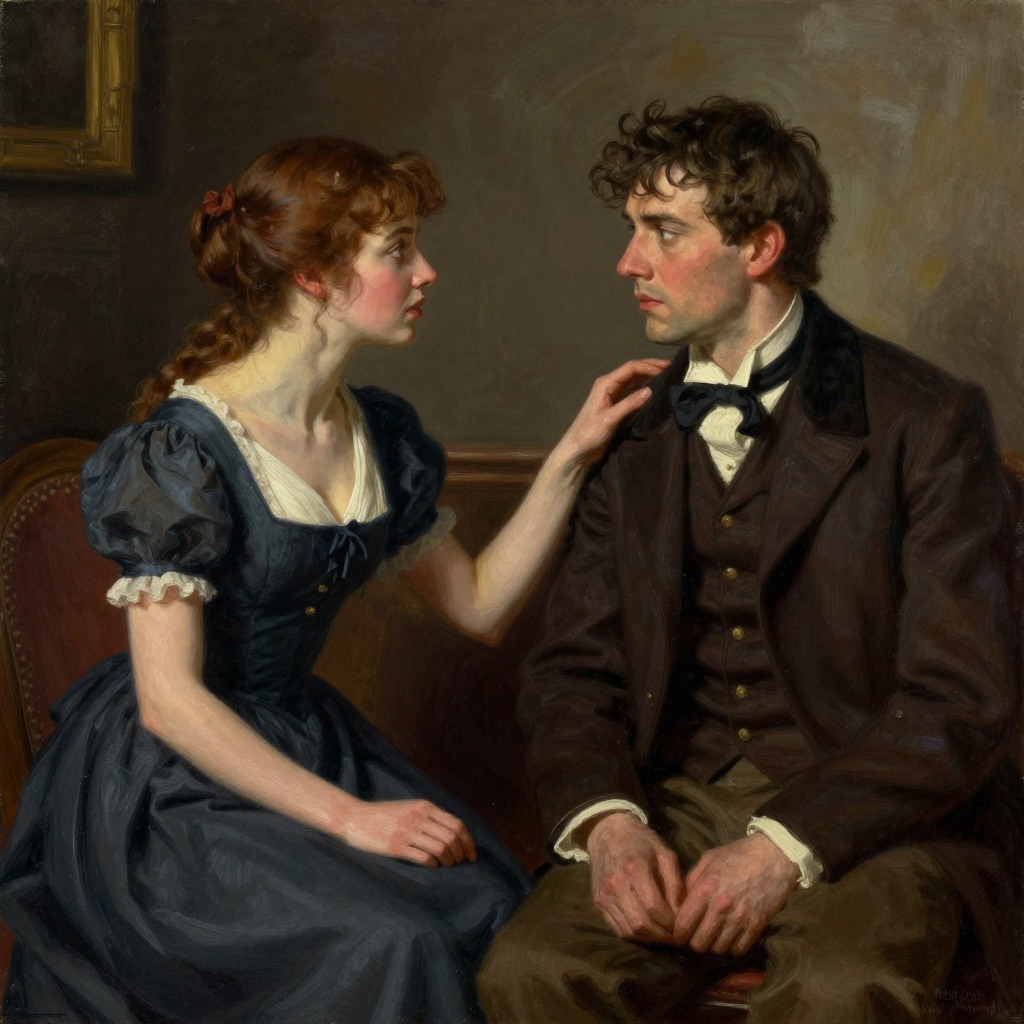
It is on London Bridge, at the appointed hour of eleven o'clock on a Sunday night, that Nancy fulfills her pledge to Rose Maylie. The narrative emphasizes the bridge's isolation at that late hour: "It was a very dark night... there were few people stirring" . This darkness and the bridge's position over the river provide the necessary cover for a conversation that could mean death for Nancy if discovered. Here, Nancy, trembling with fear and a premonition of doom, delivers the intelligence that will unravel the conspiracy against Oliver. She describes Monks's appearance and his habits, providing the crucial details that allow Mr. Brownlow to identify and confront him. The bridge is not merely a backdrop; its specific architecture—the stone stairs leading down to the water—offers a secluded space for the interview, a place "out of the public road" where the women can speak without being overheard by the wrong ears.
A Space of Surveillance and Betrayal
The meeting on London Bridge is also the scene of a hidden observer. Noah Claypole, acting on Fagin's orders, has followed Nancy from the Three Cripples public-house. He tracks her across the bridge, using the shadows and the bridge's recesses to conceal himself. The narrative describes how he "slunk along in the deepest shadow he could find" , accommodating his pace to hers. He hides on the stairs leading down to the river, a spot he chooses because "there seemed no better place of concealment" . From this vantage point, he overhears the entire conversation, learning of Nancy's betrayal of the gang. The bridge, therefore, is not only a place of secret communication but also a place where that secret is fatally exposed, turning the site of potential salvation into the catalyst for Nancy's murder.
Symbolic Geography: The Threshold Between Worlds
London Bridge in the novel is a powerful symbol of the threshold between two irreconcilable worlds. On one side lies the squalid, violent realm of Fagin and Sikes, the "cold, wet, dirty streets" that Nancy calls home. On the other lies the possibility of rescue, represented by Rose Maylie and Mr. Brownlow, who offer Nancy a "quiet asylum" in a foreign country. The bridge itself, spanning the dark, misty river, becomes a physical manifestation of this moral and social divide. The river below, described as "black" and associated with death and suicide in Nancy's own words—"Look at that dark water. How many times do you read of such as I who spring into the tide" —underscores the high stakes of the crossing. Nancy stands on the bridge, physically between her old life and a new one, and ultimately chooses to return to the darkness, a decision that seals her fate. The bridge is thus the point of no return, the place where the possibility of redemption is glimpsed and then tragically refused.
Contrast with Other London Spaces
The function of London Bridge is sharply contrasted with other key locations in the novel. Unlike the claustrophobic, filthy interiors of Fagin's den in Saffron Hill or the isolated, decaying horror of Jacob's Island , the bridge is an open, public space, yet one that is paradoxically private and dangerous at night. It is a place of transit, not of dwelling, and its very openness makes the clandestine meeting both possible and terrifyingly exposed. The bridge's connection to the river also links it to the novel's recurring motif of water as a means of disposal and death, from the gold locket and ring thrown into the Thames by Monks to Sikes's own final plunge into Folly Ditch . In this geography of crime and punishment, London Bridge stands as a unique node: a place of communication, betrayal, and the fleeting, desperate hope for a different life.